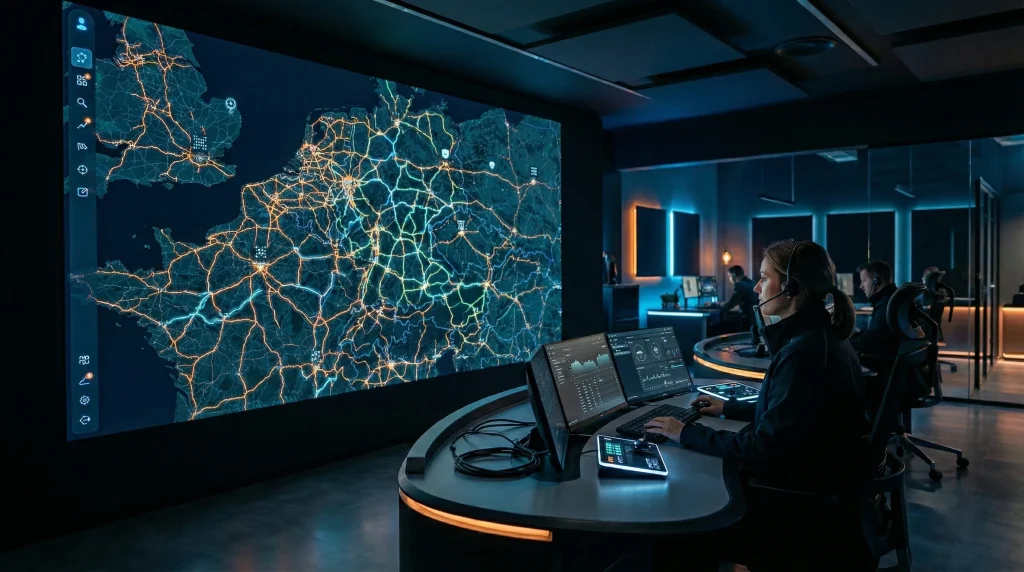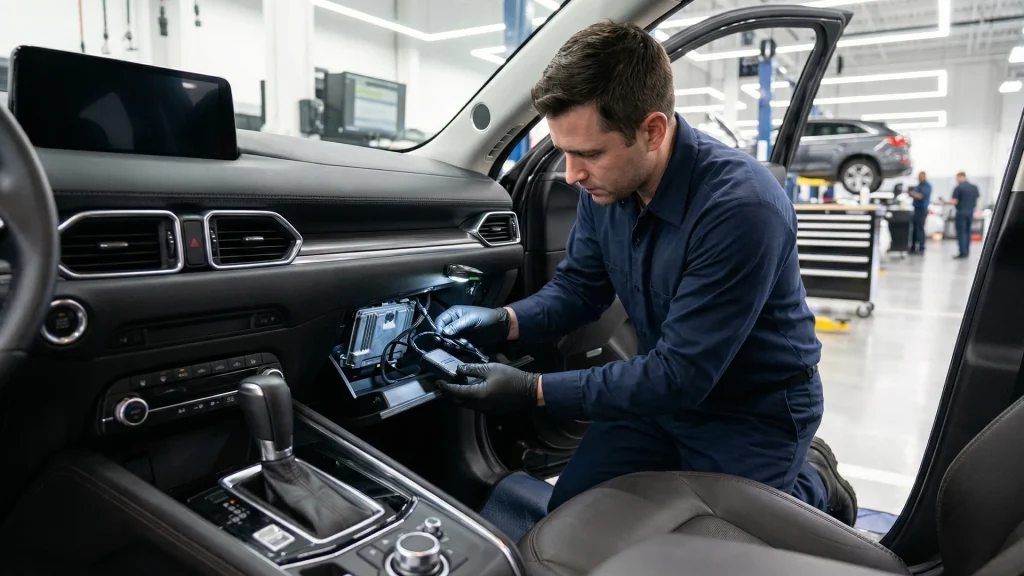
Vehicle dependability in contemporary fleet management is no longer just based on routine inspections. To keep fleets operating smoothly and avoid interruptions, businesses now depend on vehicle health monitoring driven by advanced diagnostic data.
Organizations may save unnecessary reactive repairs by identifying problems early and significantly extend the lifespan of their cars by using remote diagnostics to obtain real-time insight.
1. Turning Diagnostics into Preventive Maintenance
Traditional maintenance mainly relies on schedules or physical inspections, often identifying problems only after they had escalated.
Preventive maintenance is now powered by real-time data gathered from the vehicle’s onboard systems. Fleet managers can monitor crucial engine parameters, spot early warning signs, and plan repairs before a failure occurs using the OBD-II port data. This method ensures smoother operations by preventing unexpected breakdowns and lowering long-term repair costs.
2. Understanding the Power of Engine Fault Codes
Every contemporary automobile emits an engine fault code in case a system recognizes something unusual going on. Fleet managers might get these alerts right away using connected platforms thus, no more waiting for dashboard indicators or the infamous check engine light codes. Once a fault code is generated, the system clears up the following details:
- The affected component
- The severity of the issue
- Required corrective action
- Is it safe to keep driving the car?
Teams are able to react quickly due this early insight, which keeps minor issues from turning into major failures.
3. Improving Uptime with Remote Diagnostics
Productivity and operating expenses are directly impacted by fleet-wide downtime.
Managers and technicians may assess vehicle conditions without taking them into a workshop thanks to remote diagnostics.
This feature supports:
- Quick troubleshooting
- Decision-making is quicker
- Reduced vehicle downtime .
- Streamlined repair planning
Fleets can improve vehicle uptime maximization by using remote oversight, which guarantees more time is spent on the road and less time is spent in repair bays.
4. Predicting Failures Before They Happen
- Identifying drops in tyre pressure monitoring
- Calculating remaining engine oil life through oil life monitoring
- Predicting alternator and battery issues
- Detecting overheating risks
5. Streamlining Maintenance Through Automated Service Alerts
- Unexpected repair costs
- Premature component wear
- Operational disruptions on busy routes
Conclusion: Data-Driven Maintenance is the New Standard
The diagnostics technology has revolutionized fleet management by directing the attention from repair to prevention in the first place. The vehicle health monitoring, OBD-II port data analysis, and remote diagnostics are some of the tools that are really helping the organizations to have a better control of their fleets, less downtime, and no costly reactive repairs.
The application of real-time insights and predictive indicators can help the companies to remarkably improve long-term vehicle performance. Thus, the fact that a connected fleet is not only safer but also more economical is proven.