1. Early Beginnings: Tracking for Security
2. The Growth of Fleet Management and Telematics
Businesses discovered that vehicle tracking could be used for purposes other than preventing theft as trade, logistics, and delivery networks grew. The history of telematics in Pakistan began with the emergence of fleet management market participants.
Companies gained more control over their assets when tracking systems started gathering data on driver behavior, speed, mileage, and route adherence. Data-led decision-making was made possible by the shift from manual logs to connected devices, which also increased operational transparency.
Each event is recorded, examined, and classified to make up a part of the driver’s risk profile, therefore supporting data-driven performance improvement.
3. IoT Integration: Connecting Vehicles to Networks
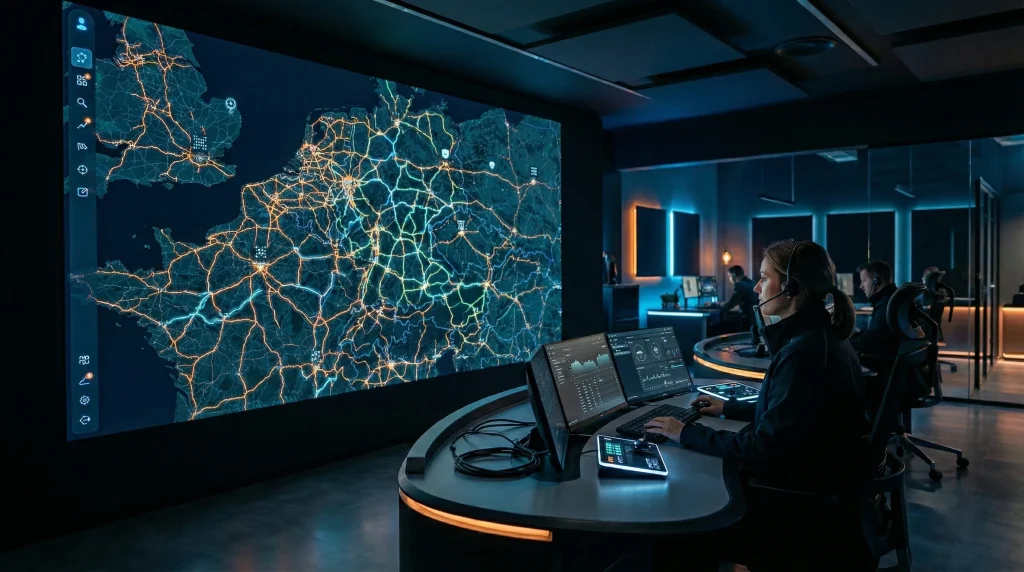
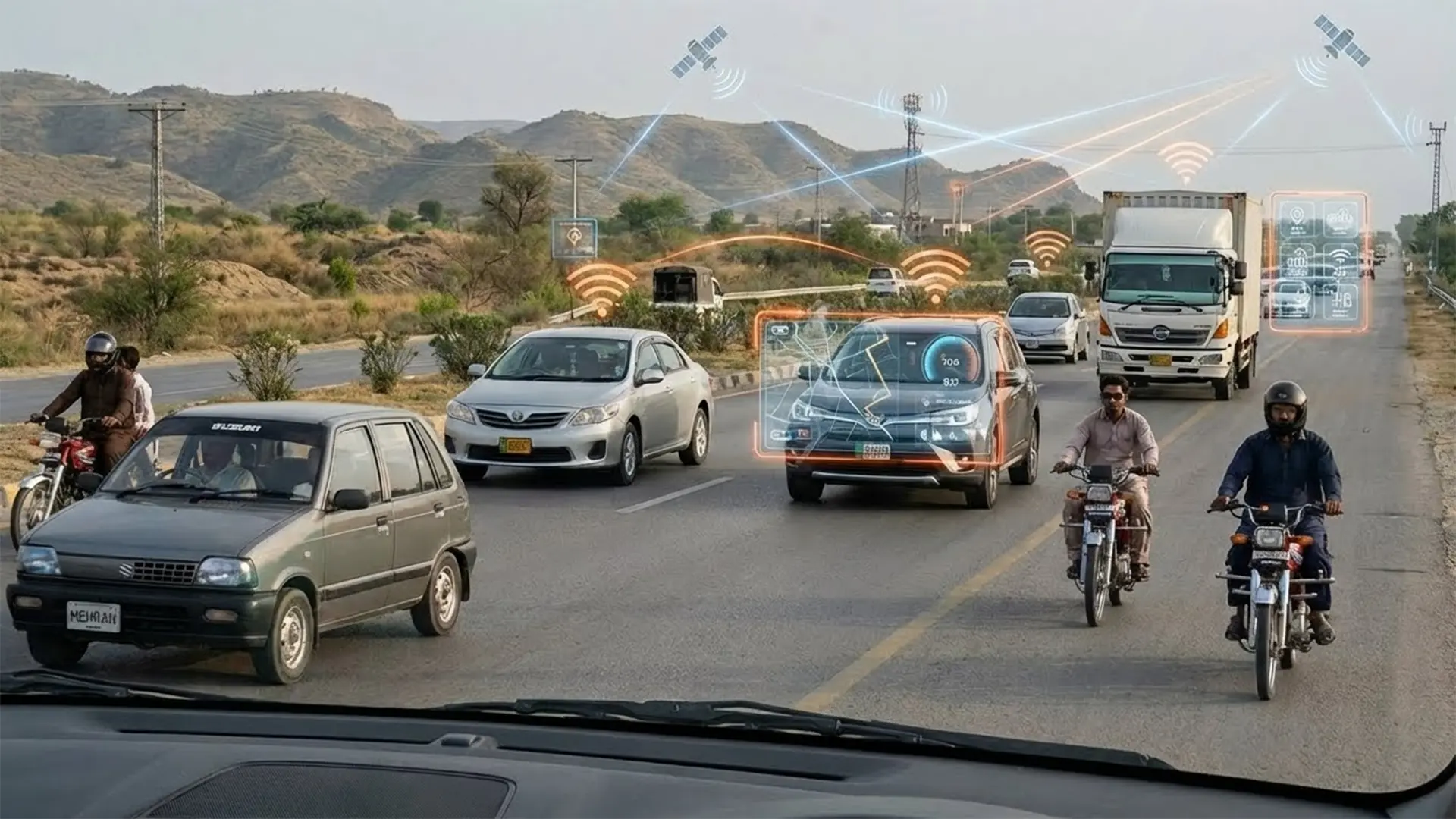
IoT integration marks the next stage, in which cars become intelligent data nodes in linked logistics ecosystems. Sensors installed in trucks, vans and containers send real-time data to centralised dashboards. This development paved the way for Geofencing applications, real-time route deviation alerts, and predictive insights into maintenance needs.
As a result, logistics companies could track fleets traveling between Karachi, Lahore, and international corridors like the China-Pakistan routes. Businesses also gained supply chain visibility across intercity and cross-border tracking.
4. Smart Logistics and the Data-Driven Era
Real-time performance data helps fleet operators create a fleet safety policy enabled by telematics technology.
With such dynamic capabilities, route planning and real-time load balancing, data analysis is revolutionizing logistics from reactive cooperation to proactive efficiency. The capacity to track, assess, and forecast vehicle movement has made Pakistan’s transportation sector more efficient.
Many fleets now use safe driving rewards, which are incentive programs that honor drivers who continuously maintain high risk scores and spotless driving records, to encourage compliance. These incentive programs boost spirits and transform safety from a duty into a common objective.
5. Compliance, Transparency, and the Future of Mobility
As the ecosystem expands, data transparency and regulatory compliance have become important themes. In order to maintain accountability and safety throughout the industry, government transportation authorities are increasingly requiring certified tracking for both public and commercial vehicles.
In the meantime, companies are adopting digital transformation to conform to international logistics norms. Future developments like blockchain-enabled cargo validation, AI-assisted dispatch, and autonomous fleet management will help Pakistan’s logistics infrastructure to be redefined in the way car tracking supports it.
Moreover, telematics-enabled accident reduction strategies enable businesses to reduce insurance liability by ensuring evidence-based accountability in the event of accidents.
Conclusion
The development of vehicle tracking in Pakistan demonstrates an effective transition from security-first solutions to data-powered logistics intelligence. What started as a theft recovery tool is now promoting operational visibility in real time, regulatory compliance, and sustainable business growth.
Organizations can make their fleets safer, more responsible, and more effective by utilizing driver risk scores, speeding violation alerts, and driver training programs.
As Pakistan’s mobility transformation continues to digitize, IoT integration, telematics, and logistics technology will remain at the core. Linking every Vehicle, route, and shipment into a smarter, safer, and efficient environment.