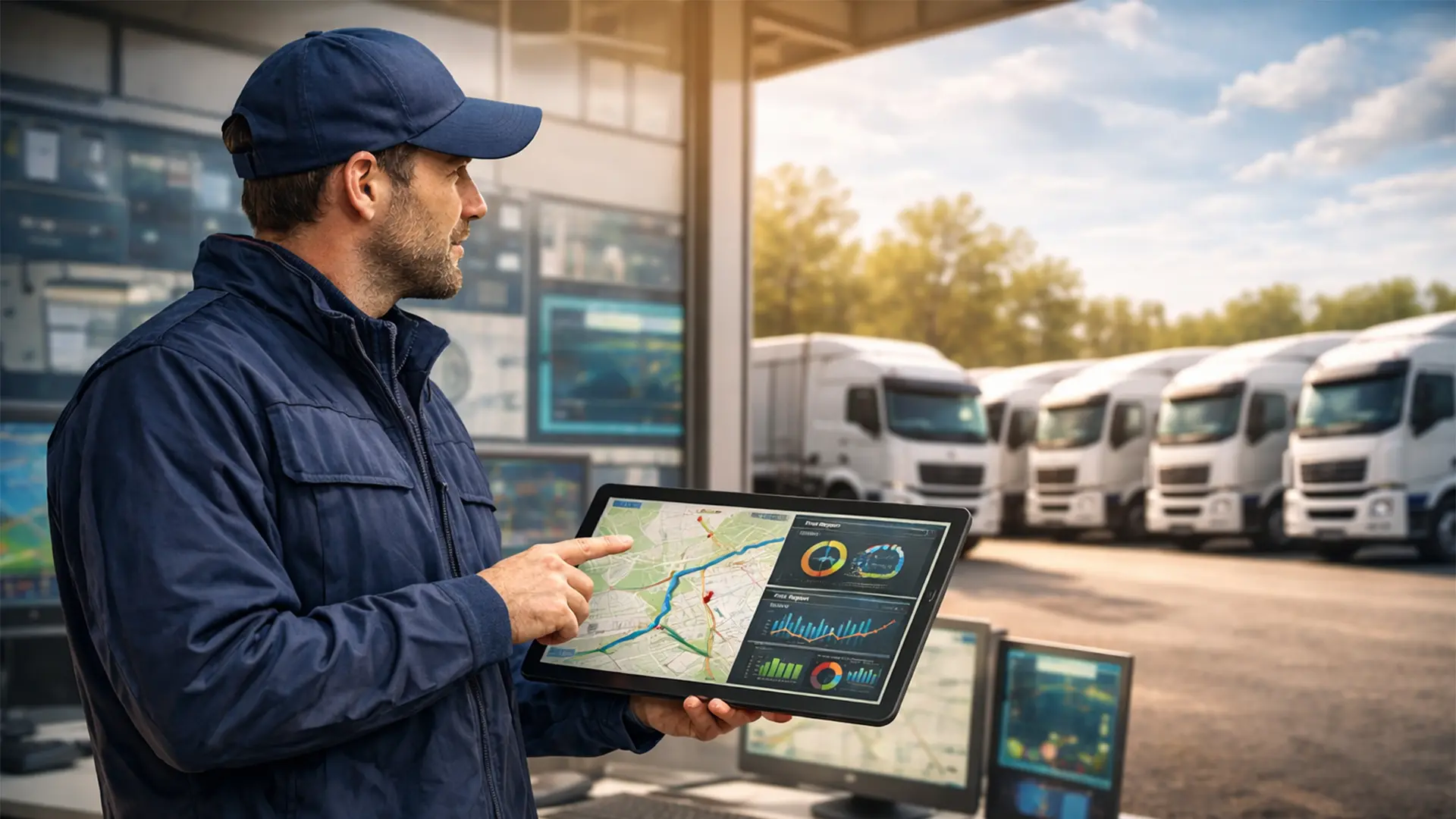
In an environment where every litre of fuel directly impacts profitability, organizations are increasingly turning to fleet management data as a strategic tool for cost control.
Modern telematics implementations and analytics platforms have transformed fleet management from simple vehicle monitoring into comprehensive performance management systems.
The following are five major ways fleet management data results in operational cost reductions and improves fuel efficiency.
1. Intelligent Route Optimization
Fuel efficiency begins with effective route planning. Through advanced route optimization software, businesses can use GPS data analysis to search for the most efficient routes for every trip.
Employing GPS data analysis, these systems assess many parameters, including traffic flow, elevation, and delivery schedules, to reduce unnecessary mileage and cut down idle time. This data-driven approach lowers fuel consumption and improves on-time performance, therefore reducing expenses and boosting consumer satisfaction.
2. Fuel Consumption Monitoring and Reporting
Cost control depends on accurate fuel consumption monitoring. Fuel consumption monitoring system lets fleet managers monitor real-time fuel data for every car and produce fuel efficiency reports.
These insights help companies detect potential fuel theft, identify irregular patterns of fuel consumption, and evaluate vehicle performance. Organisations can convert raw data into insights for continuous operational cost reduction when combined with fleet business intelligence dashboards.
3. Monitoring Driver Performance and Idling Patterns
Driver behavior is still one of the most critical factors affecting fuel efficiency. Companies can monitor critical indicators like harsh acceleration, excessive braking, and prolonged idling just by using fleet performance metrics and idling time tracking.
Through targeted training and performance-based rewards, fleet managers can improve driver efficiency, reduce fuel consumption, and encourage a culture of accountability. This analytical approach helps reduce fuel cost and vehicle wear.
4. Predictive Maintenance Through Vehicle Diagnostics
Sudden breakdowns and delayed maintenance sometimes result in wastage of fuel. Integrated vehicle diagnostics and fleet vehicle maintenance systems enable fleet managers to spot early signs of mechanical inefficiency, like tire pressure loss or engine performance issues.
Businesses can solve potential problems before they worsen using predictive scheduling and automated notifications. Proactive maintenance guarantees that every vehicle runs at optimal efficiency, therefore helping to save fuel and money.
5. Telematics Implementation for Data-Driven Decision-Making
Telematic implementation is essential for effective fleet management. Companies gain end-to-end visibility across their fleet operations by combining data from tracking devices, sensors, and analytics platforms.
This integration allows advanced fleet business intelligence, therefore facilitating strategic decisions that enhance driver management, vehicle utilization, and routing. The result is a measurable enhancement in fuel economy and a long-term decrease in operational costs.
Conclusion
Fleet management goes beyond location tracking, representing a fully connected ecosystem that
uses data analytics, telematics, and predictive insights to deliver measurable business value.
Companies can considerably cut fuel use and operating expenses by means of route optimization software, fuel consumption monitoring, predictive maintenance, and fleet performance metrics.