Efficiency and safety are closely related in today’s fleet operations. Though maintenance plans and route optimization contribute, driver behavior is by far the most important influence on fleet performance.
Businesses can now understand, assess, and enhance their drivers’ performance on the road by using vehicle telematics data. In addition to improving safety, this also drastically lowers fuel, insurance, and vehicle wear expenses.
1. Turning Data into Driver Insight
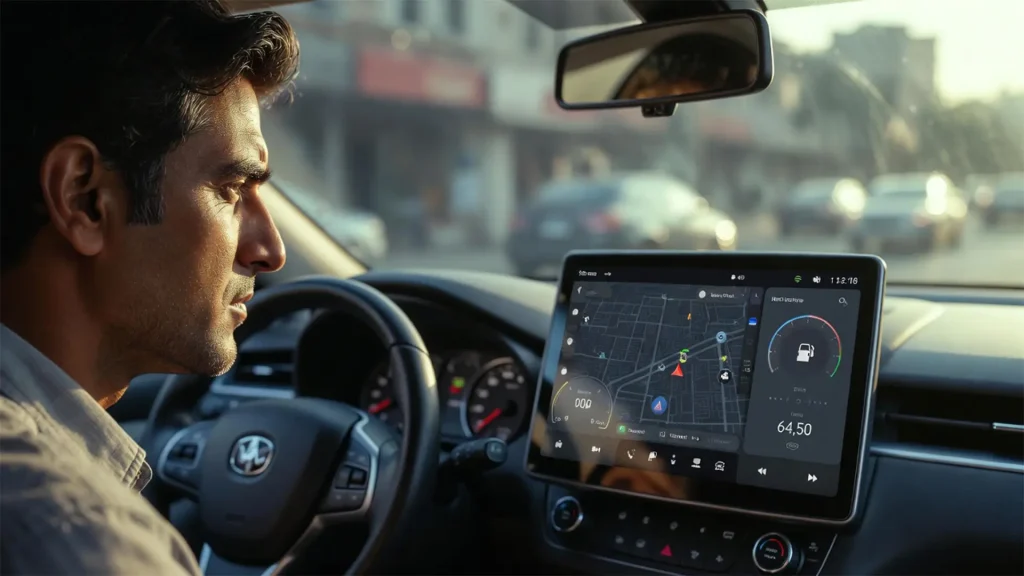
An advanced vehicle telematics system tracks speed, braking, cornering, and idling patterns in addition to GPS location.
These observations enable the development of a driver risk score, a quantifiable measure of how aggressively or safely every driver drives. With this information, fleet managers can locate top performers, spot hazardous activity, and tailor coaching programs that develop long-term safety habits.
2. Detecting and Reducing Risky Driving Patterns
Key contributors of accidents and fuel waste are hazardous actions like strong acceleration, harsh braking events, and excessive speeding.
Telematics systems let managers step in early before these behaviors lead to accidents or higher fuel costs through immediate notifications and speeding violation alerts.
Each event is recorded, examined, and classified to make up a part of the driver’s risk profile, therefore supporting data-driven performance improvement.
3. Fuel Efficiency Starts with Safer Driving
In addition to raising the chance of an accident, aggressive driving wastes a lot of fuel. Up to 20% of fleet fuel costs can be attributed to fuel waste from acceleration and unnecessary idling.
Businesses can encourage smoother driving habits using telematics that directly result in lower fuel consumption and maintenance costs.
Efficiency follows naturally when safety improves: fewer repairs, lower downtime, and a greener footprint.
4. Building a Culture of Accountability and Reward
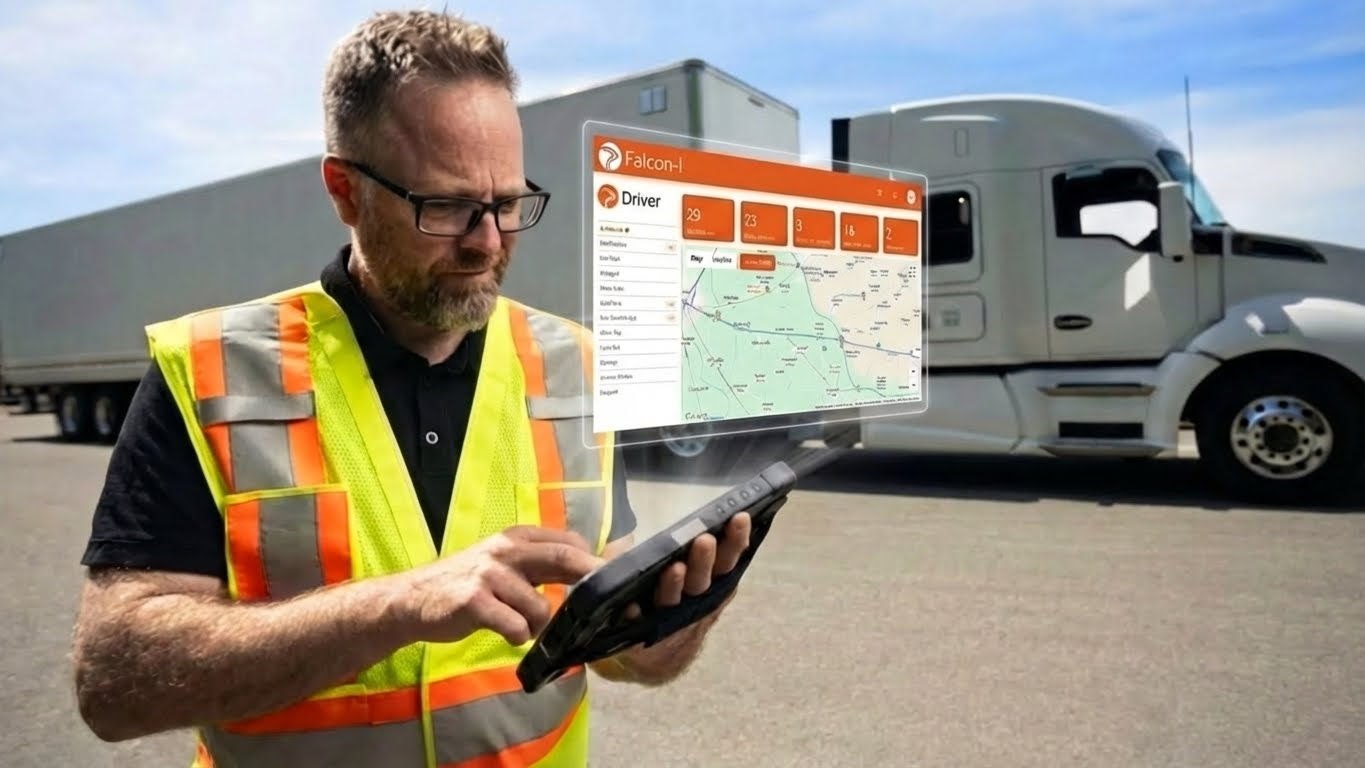
Real-time performance data helps fleet operators create a fleet safety policy enabled by telematics technology.
Businesses can incorporate driver training programs that focus on addressing particular risky behaviors, including tailgating or distracted driving prevention.
Many fleets now use safe driving rewards, which are incentive programs that honor drivers who continuously maintain high risk scores and spotless driving records, to encourage compliance. These incentive programs boost spirits and transform safety from a duty into a common objective.
5. Lowering Insurance Liability Through Predictive Data
Better driving practices have quantifiable financial benefits beyond just fuel savings.
Businesses can show insurers that they are proactive in managing risk by using vehicle telematics data to document performance. This generates better coverage terms, reduced premiums, and fewer claims.
Moreover, telematics-enabled accident reduction strategies enable businesses to reduce insurance liability by ensuring evidence-based accountability in the event of accidents.
Conclusion
Although driver behavior has always been crucial to fleet efficiency and safety, telematics has made it measurable, manageable and improvable.
Organizations can make their fleets safer, more responsible, and more effective by utilizing driver risk scores, speeding violation alerts, and driver training programs.
Modern telematics empowers drivers rather than merely monitoring them. And that’s the difference between a fleet that moves and a fleet that leads.