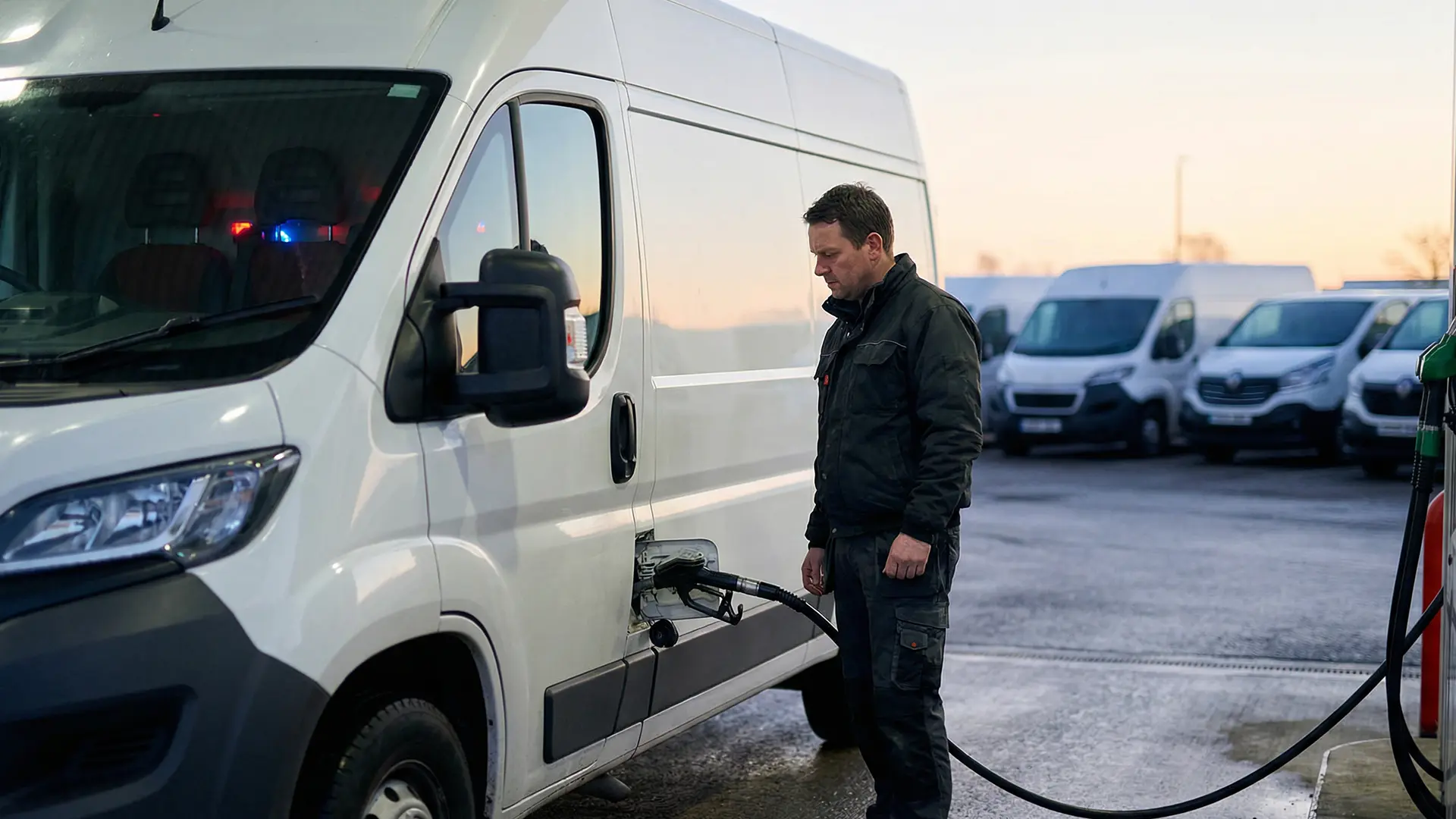
Let’s look at the facts: for anyone in Pakistan operating a fleet of delivery trucks, vans, or other vehicles, the single-most variable cost component of the operating budget is the cost of fuel. Petrol and diesel prices continue to rise every week. And every litre of fuel burned means a loss to the bottom line.
This is precisely why these fleet owners have started adopting the latest vehicle tracking and fuel monitoring system. With the right tools, you can reduce fuel consumption by taking control of your costs, improving vehicle mileage, and saving money on fuel. Not only can you control and reduce the fuel burned, but you can also significantly improve fleet fuel management, vehicle mileage, and profitability.
Proven strategies to reduce fuel spending from fleet fuel management solutions include the following:
1. Route Optimization: Shorter Roads, Bigger Savings
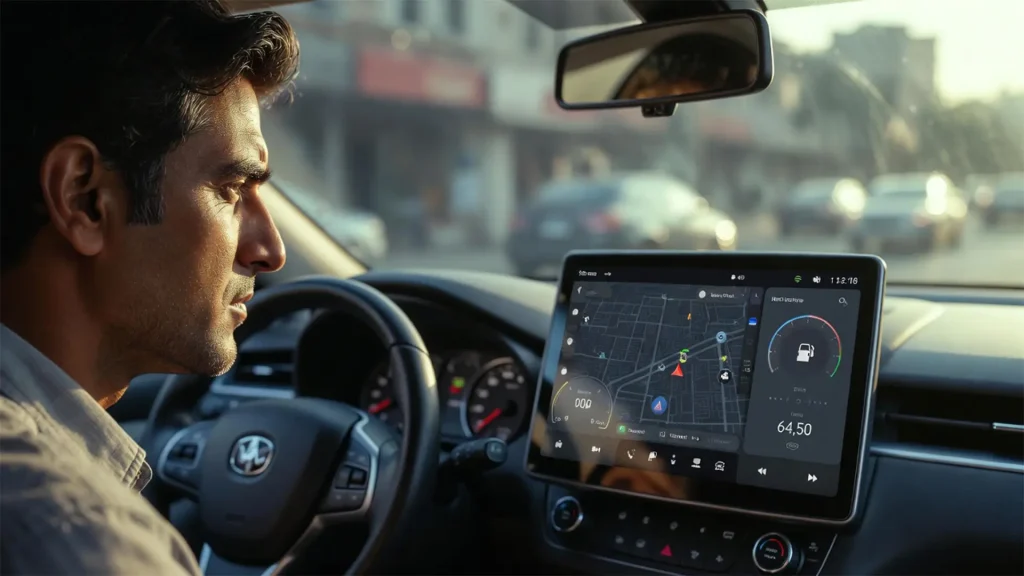
Every fleet manager knows that longer routes mean more wasted fuel. But poorly planned routes that veer into traffic and take longer to complete cost a fleet a fortune. With GPS tracking and route optimization, it is possible to ensure that only the most fuel-efficient routes are followed.
2. Idle Time Reduction: Engine Off, Savings On
Idle time reduction is crucial because fuel burned during idling is a loss for the fleet, as a vehicle that is idling consumes fuel equivalent to the amount it would need to run 5 km. Telematics for fuel savings can be programmed to ping fleet managers when the idling time crosses a pre-defined threshold, ensuring fleet cost reduction.
3. Driver Efficiency & Eco-Driving Techniques
Aggressive driving behaviors such as speeding, hard braking, and rapid acceleration waste fuel and drive up maintenance costs. Monitoring driver efficiency and training in eco-driving techniques enhances operational efficiency and reduces fuel consumption.
4. Fuel Theft Prevention
Unlike other countries, fuel theft in Pakistan goes unnoticed and unchecked; it drains fleet profitability. Fuel theft is easy to detect with Real Time Fuel Monitoring Systems. A sudden drop in fuel level will alert you.
5. Regular Vehicle Maintenance Schedule
An under-serviced engine will increase fuel consumption by 10-15%. Telematics solutions, which notify service intervals on engine checks, oil changes, tire rotations, etc, will help in the vehicle maintenance schedule, which, in turn, will improve vehicle mileage and fuel consumption.
6. Load Management
Overloading vehicles accelerates engine wear and increases fuel consumption. Smart fleet fuel management systems promote efficient load planning, optimizing capacity on every trip for measurable fleet cost reduction.
7. Transportation Inefficiency Results in Higher Costs
Driving at high speeds above 80 km/h drastically reduces mileage; every 10 km/h above the limit drives costs. Telematics for fuel savings enforces speed adherence, ensuring business fuel efficiency and helping to save money on fuel.
8. Incentive Structures for Drivers
Customer fuel reports reveal which drivers are most fuel-efficient. These insights help design incentive programs based on driver efficiency and eco-driving techniques. Such structures reduce fuel costs, support fleet cost reduction, and reward drivers for helping save money on fuel.
9. Smart Policies
Apps can track where and when drivers refuel, helping businesses design routes that prevent over-fueling and improve fuel theft prevention. These fleet fuel management policies also support consistent business fuel savings.
10. Cost-on-Fleet
All saved fuel can be reinvested in other operational costs. A fuel monitoring system generates reports identifying km/l, idle time reduction, speed, and theft. This data drives smarter strategic decisions, enabling fleet cost reduction, improved business fuel efficiency, and long-term profitability.
The bottom line: Control Fuel, Control Profits
In the context of Pakistan, fuel costs are the largest operational cost. The rest of the operational costs are determined by the fuel management system. Customers will always draw savings.