Let’s be honest: “telematics” sounds like one of those big tech buzzwords that companies flaunt to look cool. It is already there in most modern vehicles and trucks, though, silently working, gathering information, and simplifying life for both companies and drivers.
So what is telematics? Simply put, it is the union of telecommunication with informatics. Real-time information about your automobile or fleet is recorded and sent by vehicle telematics systems employing GPS tracking, sensors, and the internet (IoT in automobiles).
Sounds like geek-speak? We should simplify it in an entertaining way.
How GPS Tracking Works Beyond “Blinking Dots”
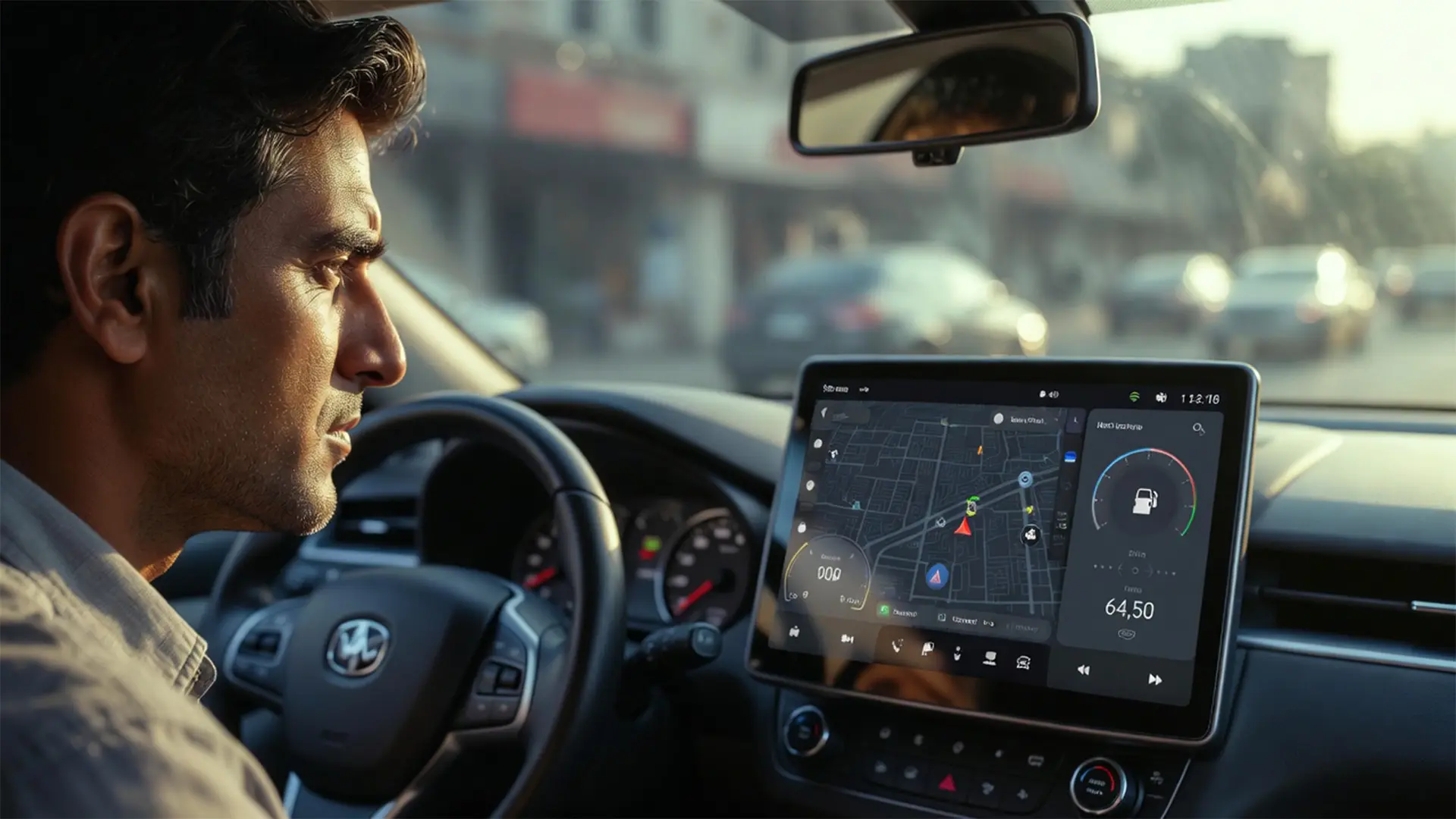
People thought car tracking was simply about a little blinking dot on a map letting you know, “Haan, gaari Saddar mein hai,” but modern connected car technology is way more advanced.
This is how vehicle telematics systems actually work:
- Real-time location tracking lets you know exactly where the automobile is without countless driver-calling conversations.
- Geo-fencing: alerts you if the vehicle leaves its assigned area
- Records speeding, severe braking, or hasty driving for driver safety monitoring, so you may maintain both driver and asset safety.
- Vehicle diagnostics let you know whether the tyres need a check, the engine oil is due, or the battery is low.
- Pay reasonable insurance premiums based on how carefully your car is driven under usage-based insurance.
- That’s the magic of telematics. It’s not just location, it’s control, efficiency, and safety rolled into one.
Why Businesses Swear by Fleet Management Technology
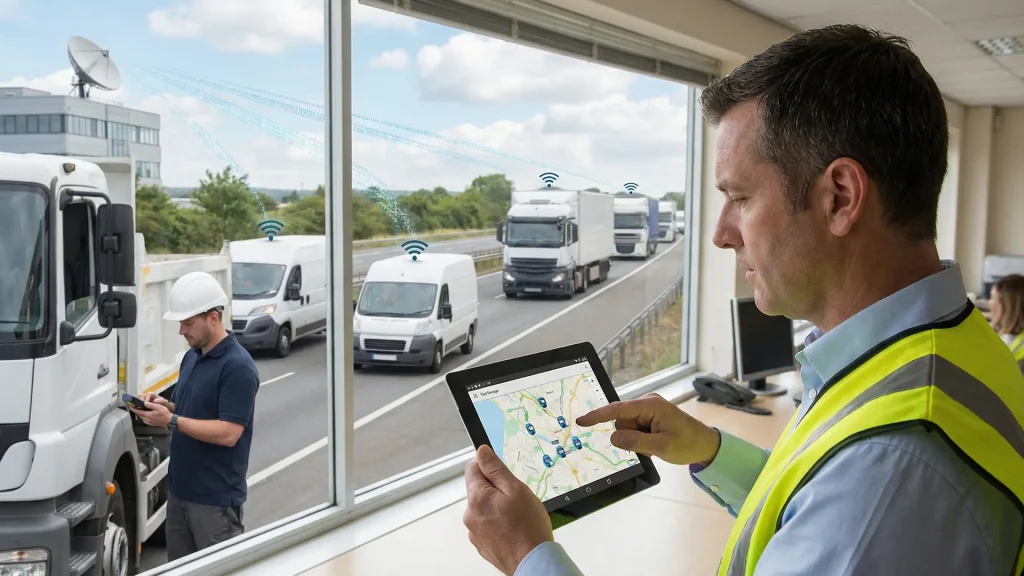
Running a fleet in Pakistan, whether motorcycles, vans, or even bicycles, is not easy. Drivers take “scenic routes,” petrol prices har roz barhti hain, and breakdowns occur when you least expect them.
This is where telemetry-driven fleet management technology comes to the rescue:
- Fuel Savings: No more detours, with GPS fleet monitoring and route optimisation. Fewer kilometers means less diesel consumption.
- Driver Behavior: Look for the drivers who speed needlessly, brake hard, or waste time. Reward the diligent ones.
- Real-time data gathering will help to lower expenses and speed delivery times with fleet data analysis.
- Predictive Maintenance: Save money, time, and frustrated customer calls by receiving warnings before failure occurs.
Businesses must go beyond locating vehicles. Finding profit margins hidden in every litre of gasoline and every hour on the road is what it entails.
Everyday Benefits for Individual Drivers
Telematics provides peace of mind even for personal vehicles; Falcon-i smart vehicle solutions let you feel assured:
- Vehicle health monitoring to help you avoid getting stranded on the highway with a dying battery.
- Reports on safer driving, helpful if your child has just received their license.
- Emergency roadside help since breakdowns never ask for permission.
- The system provides theft protection and helps in vehicle recovery through real-time tracking and an ignition block feature, making it impossible for thieves to get away with your car.
In other words, Telematics is essentially your unseen co-driver, ever observing and ready.
Falcon-i: Turning Data Into Control
Falcon-i has become a leading smart vehicle solution in Pakistan, offering telematics for business as well as individual car owners. Falcon-i helps you stay ahead, whether it’s real-time GPS tracking, driver safety monitoring, or fleet optimisation.
Because at the end of the day, telematics isn’t about tech jargon. It’s about:
- Fewer fuel bills
- Safer roads
- Happier clients
- And cars that stay on the road, not in the workshop
The Takeaway
Therefore, the next time someone asks, “What is telematics?” do not just say “tracking.” Tell them that this is a strong tool combining IoT in cars, connected car technology, and real-time data collection.
For companies, it is the line between losing money and expanding profitably and for drivers, it’s the difference between hoping for safety and being in control.
Falcon-i telematics transforms your car from point A to point B into a smarter, safer, more effective vehicle every kilometer it travels.
Because in the world of modern mobility, telematics isn’t the future. It’s the engine of today.